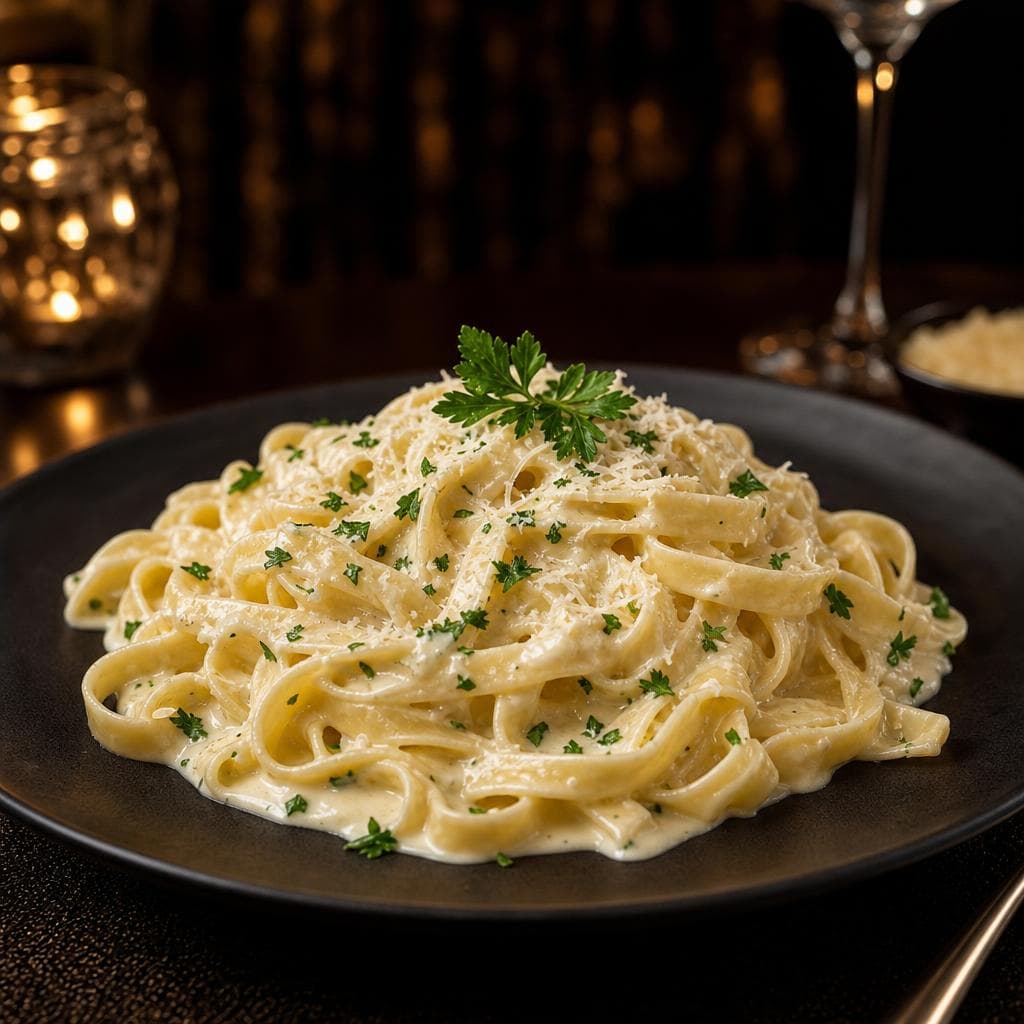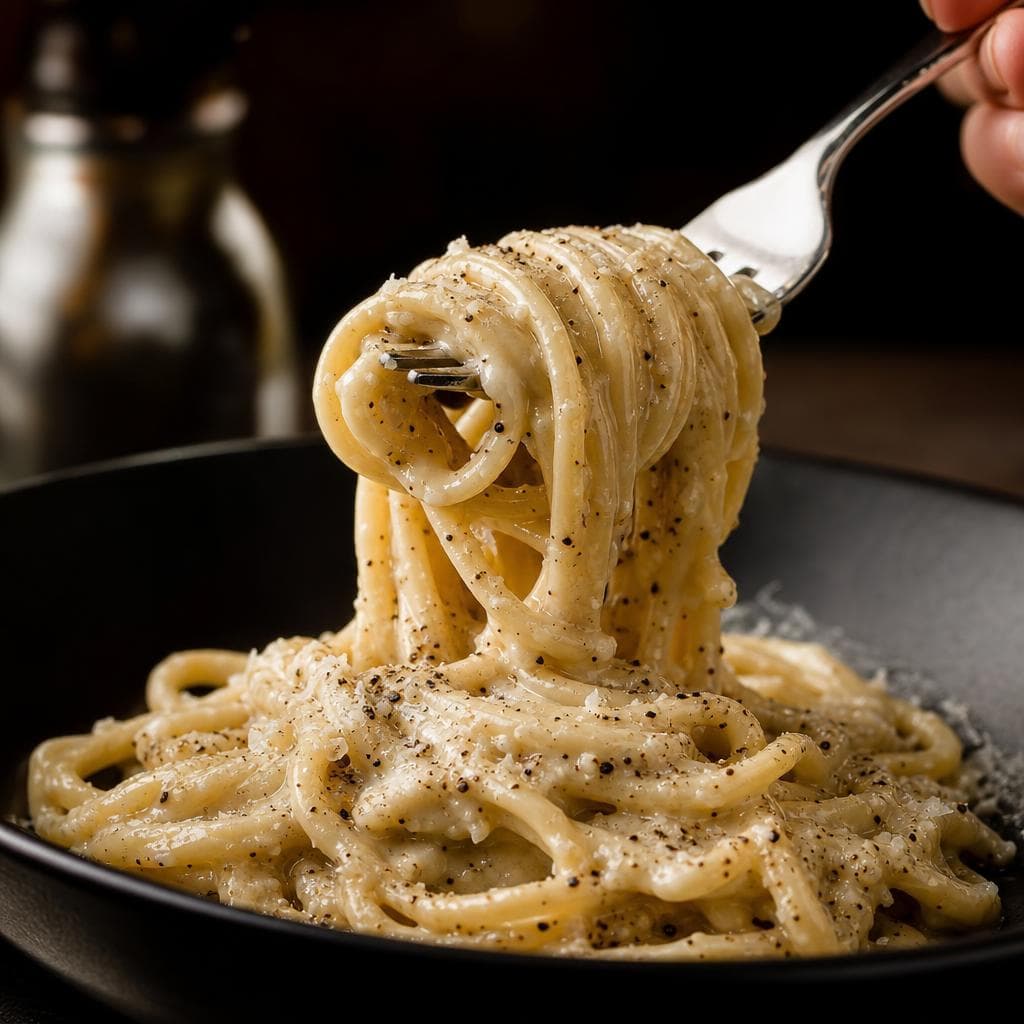
Cacio e Pepe - beautifully plated pasta dish

Cacio e Pepe

The simplest Roman pasta — just Pecorino Romano, black pepper, and starchy pasta water create an impossibly creamy sauce with only 3 ingredients.

Prep Time

5 min

Cook Time

15 min

Servings

4

Calories

450

Ingredients

  • 400 g pasta (your choice of shape)
  • 2 tbsp extra-virgin olive oil
  • 3 cloves garlic, minced
  • 1 medium onion, diced
  • 0.5 tsp salt
  • 0.25 tsp freshly ground black pepper

Instructions

  1. 1

    Cook the Pasta

    Bring a large pot of salted water to a rolling boil. Cook pasta according to package directions until al dente. Reserve 1 cup of pasta water before draining.

  2. 2

    Prepare the Base

    While pasta cooks, heat olive oil in a large skillet over medium heat. Add garlic and cook until fragrant, about 30 seconds.

  3. 3

    Build the Sauce

    Add the main sauce ingredients to the skillet and cook, stirring occasionally, until the flavours meld together, about 3-5 minutes.

  4. 4

    Combine

    Add the drained pasta to the sauce and toss vigorously, adding pasta water as needed to achieve a silky consistency that coats every strand.

  5. 5

    Serve

    Plate immediately and garnish with fresh herbs and freshly grated cheese. Serve hot with crusty bread on the side.

Chef's Notes

I always finish cooking my pasta in the sauce for the last 60 seconds — it absorbs flavour and the starch helps bind everything together.

Chef Luca Bianchi

About This Recipe

There's something almost illicit about how few ingredients cacio e pepe needs to pull off its magic. Just Pecorino Romano, freshly cracked black pepper, and starchy pasta water—three humble components that, when treated right, transform into a sauce so creamy it feels like cheating. The trick isn't in adding cream or butter; it's in the temperature dance between the hot pasta, the warm skillet, and the cheese coming to room temperature, all coaxed together with just enough reserved cooking liquid to coax a glossy, clinging emulsion from the sharp tang of the sheep's milk cheese.

This is the kind of dish Canadian home cooks come back to again and again when the pantry runs low but they still want something deeply satisfying. It comes together in twenty minutes flat, which means you can throw it on the table after a long workday without feeling guilty about the effort—or the wallet. Serve it on a chilly November evening with a wedge of aged Gouda and a glass of something crisp, and you've got yourself a meal that feels far more sophisticated than it has any right to be.

Tips for the Best Cacio e Pepe

The single most important thing is getting the temperature right before anything hits the pan. Take your Pecorino Romano out of the fridge at least half an hour ahead—it won't emulsify properly if it's cold. When you add the pasta to the skillet, turn the heat off completely before tossing in the cheese, then add pasta water a splash at a time while stirring like you're making mayonnaise. If the sauce breaks and looks greasy, you've hit one of two problems: either the skillet was too hot, or the cheese was too cold. Start over with fresh pasta water and a lower starting temperature for the pan.

What to Serve With It

Pair cacio e pepe with a simple green salad dressed in lemon and olive oil—the acidity cuts through the richness of the Pecorino beautifully. For a proper Canadian winter dinner, serve it alongside roasted root vegetables (carrots and parsnips caramelized in the oven while the pasta finishes) and a loaf of crusty sourdough to mop up every last bite. If you're feeding a crowd, a light Pinot Gris from Ontario's Niagara Peninsula pairs perfectly, or grab a crisp white wine from Quebec's Châteauguay region.

Storage & Reheating

Leftover cacio e pepe is best eaten within two days in the fridge, though the sauce will inevitably tighten up as the Pecorino sets. Reheat gently in a skillet over low heat with a splash of warm water or milk, stirring constantly until it loosens back up—you'll lose some silkiness but it'll still be delicious. Don't freeze this dish; the dairy separates irreversibly once frozen and thawed, and the pasta turns mushy no matter what. Freshness is everything here, which is part of what makes it worth making.
Nutrition Facts

450

cal

24g

Protein

15g

Fat

45g

Carbs

5g

Fiber

435mg

Sodium

Frequently Asked Questions

Can I use Parmigiano-Reggiano instead of Pecorino Romano?+

You absolutely can, but the result will taste different. Parmigiano is milder, nuttier, and less salty, so you'll need to adjust seasoning accordingly. Traditional cacio e pepe calls for Pecorino because its sharp, tangy profile stands up to the pepper. If you use a half-and-half blend of both cheeses, you get the best of each world—some of that Pecorino bite with Parmigiano's creamier mouthfeel.

Why does my sauce look greasy or separated?+

This happens when the cheese gets too hot too fast and the fats separate from the proteins. The fix is straightforward: turn off the heat before adding the cheese, let it cool for a moment, then gradually incorporate warm pasta water while whisking or stirring vigorously. Think of it like making a hollandaise—you're building an emulsion, not melting cheese into a pan. Patience and temperature control are your only tools here.

What's the best pasta shape for cacio e pepe?+

Traditional Roman cooks use tonnarelli or spaghetti—long, thin strands that have plenty of surface area for the sauce to cling to. Bucatini works beautifully too, especially if you like the little pockets of sauce inside the hollow center. Flat ribbons like pappardelle don't work nearly as well because the sauce pools rather than coating. If you're making this for the first time, stick with spaghetti; it's forgiving and easy to toss properly.

Is cacio e pepe naturally gluten-free?+

No, traditional cacio e pepe relies on wheat pasta, which is essential for the dish. However, you can make a gluten-free version using brown rice pasta or chickpea pasta—just be aware that GF pasta tends to be starchier and more fragile, so you'll need more pasta water to get the sauce to come together. Test it early and keep that reserved water handy.

How much black pepper should I actually use?+

Most recipes under-season pepper, and that's the biggest mistake home cooks make. Use at least a full teaspoon of freshly cracked black pepper for this amount of pasta—preferably more if you enjoy it peppery. The pepper should be visible throughout the dish, and its heat should register clearly on the finish. Buy whole peppercorns and grind them yourself; pre-ground pepper has lost its aromatic oils and will taste flat and dusty.

Tips & Tricks

  • Always salt your pasta water generously — it should taste like the sea.
  • Reserve a cup of starchy pasta water before draining. It's liquid gold for emulsifying sauces.
  • Cook pasta 1 minute less than the package says if finishing it in the sauce.

Reviews (3)

Lisa P.★★★★★

Made this for a dinner party and everyone wanted the recipe. It's impressive enough for guests but easy enough for Tuesday night.

Robert B.★★★★★

Five stars! The flavour combination is spot on. I added a little extra garlic because that's how we like it, and it was incredible.

Jennifer K.★★★★★

This is now our go-to weeknight dinner. Ready in under 30 minutes and tastes like it took hours. My kids ask for seconds every time.