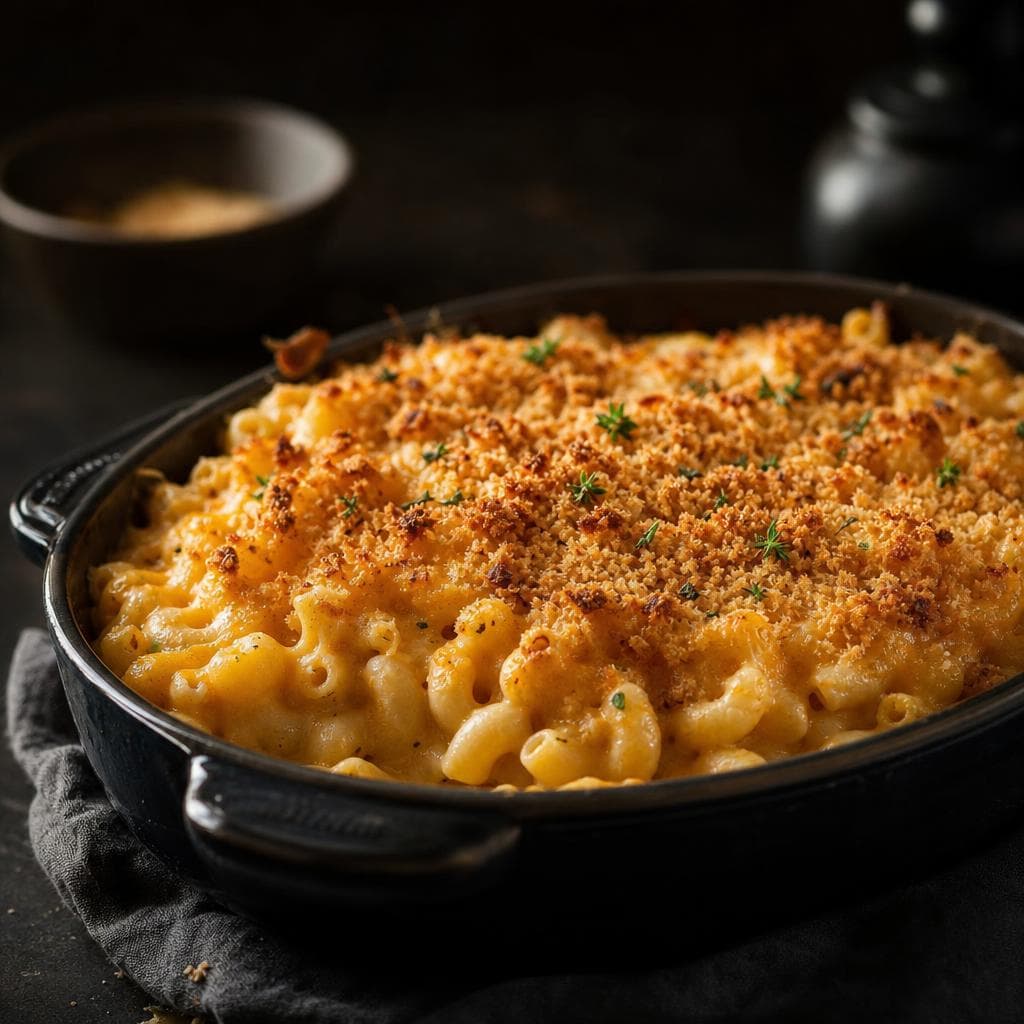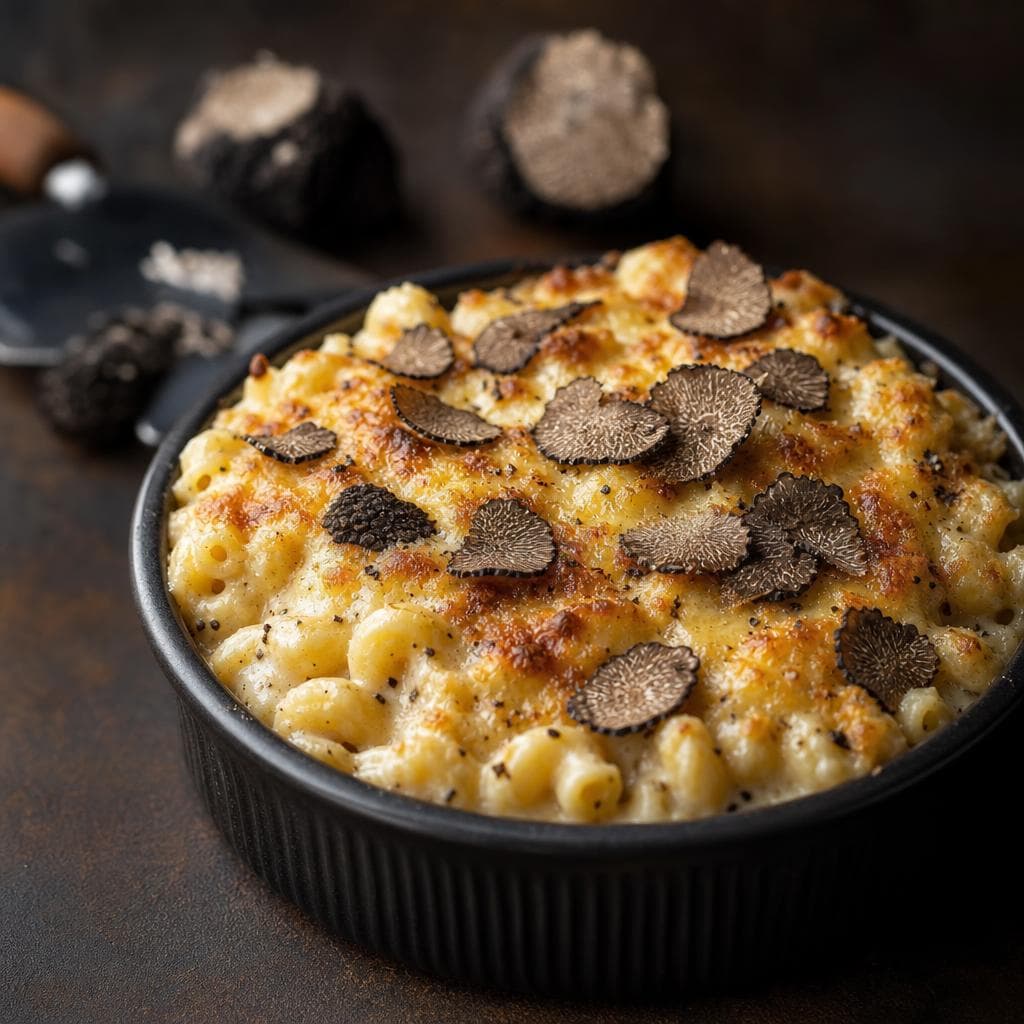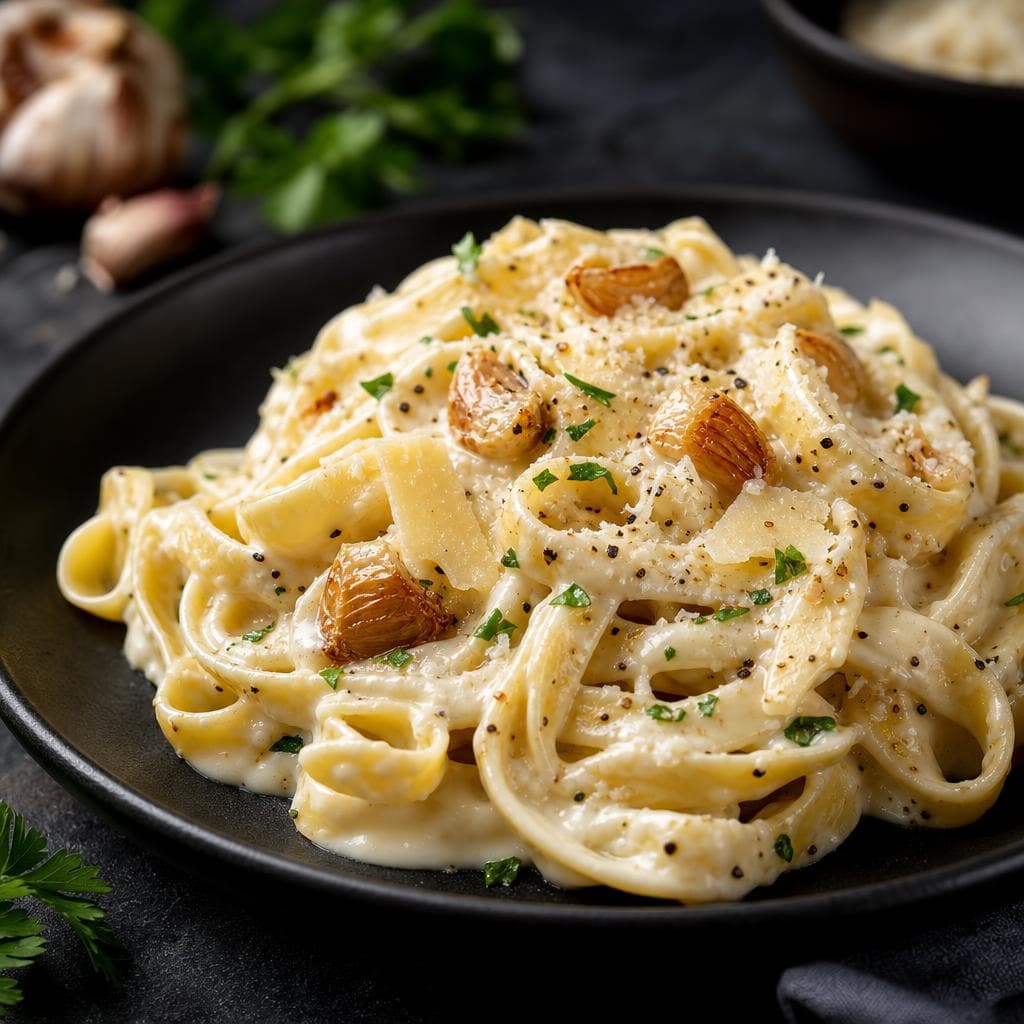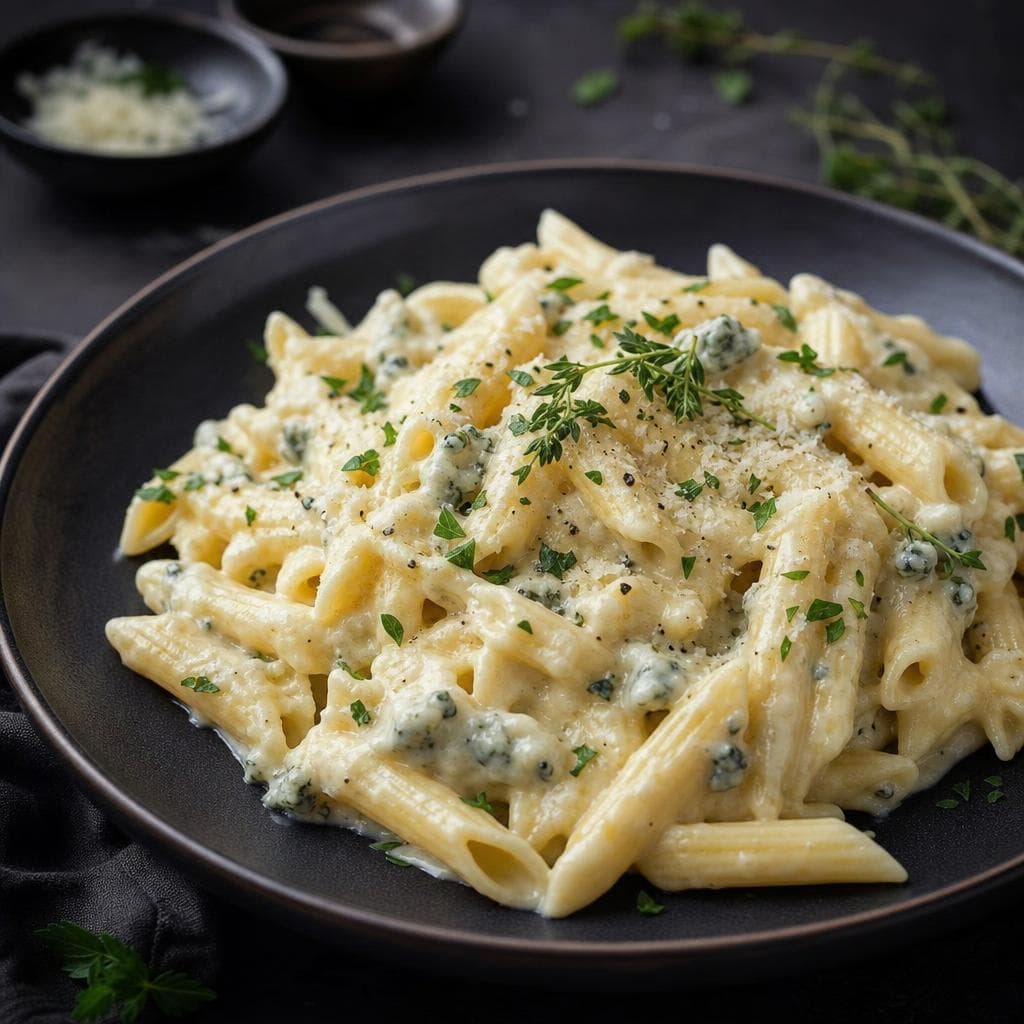
About This Recipe
There's something deeply satisfying about a bowl of four cheese pasta, especially on a damp November evening when the rest of Ontario feels like it's settling in for winter. What makes this particular combination worth remembering isn't just the cheese count—it's how gorgonzola's tangy bite cuts through the silkiness of melted fontina and mozzarella, while Parmigiano adds that nutty backbone. It's Italian comfort food done properly, without the fuss of a slow-simmered ragù.
I've been making this version for years because it comes together faster than most people think, and the result is genuinely restaurant-quality. You get that glossy, clinging sauce that sticks to every noodle instead of pooling at the bottom of the bowl. It's the kind of dish that makes family members linger at the table asking for seconds, and honestly, I don't blame them.
Tips for the Best Four Cheese Pasta
Le secret d'une sauce lisse ici, c'est de garder la chaleur modérée dès que la crème touche la poêle—une chaleur trop forte fera briser votre émulsion et vous retrouverez avec des flaques graisseuses sur le dessus. Quand vous mélangez les pâtes, ajoutez l'eau de cuisson amidonnée progressivement, une cuillerée à la fois, jusqu'à ce que la sauce enrobe chaque fil sans déborder. Si vous faites cuire les pâtes dans la même poêle où vous terminerez la sauce, sortez-les une minute plus tôt car ils continueront de ramollir dans la chaleur résiduelle.
What to Serve With It
This dish pairs beautifully with a crisp green salad dressed in lemon vinaigrette to cut through the richness—a classic move that keeps things balanced. Crusty sourdough or focaccia on the side works perfectly for mopping up every last bit of sauce. For protein, grilled chicken breast or crispy pancetta are my go-to additions, though a handful of toasted walnuts adds nice crunch without weighing anything down.
Storage & Reheating
Leftover four cheese pasta keeps in the fridge for up to three days in an airtight container. Reheating is where most people struggle—add a splash of milk or cream along with a few tablespoons of water when warming it up, and do it gently on the stove rather than microwaving, or the sauce will separate and turn grainy. Freezing isn't ideal with dairy-based sauces, but if you must, it'll hold for about a month and thaws better when stirred with extra liquid upon reheating.